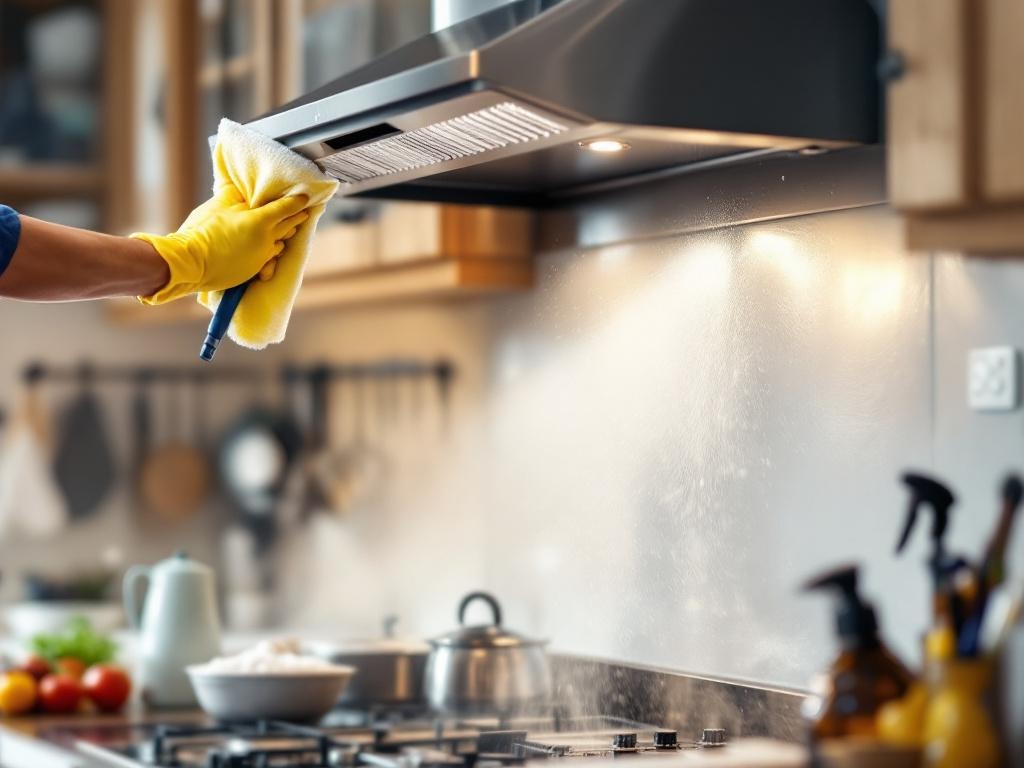
Cleaning your kitchen hood is a crucial task that not only promotes hygiene but also ensures the functionality and longevity of your appliance. This step-by-step guide will walk you through the process of effectively cleaning your hood, ensuring a safe and clean cooking environment.
Why Is Hood Cleaning Necessary?
Hood cleaning is vital to keep your kitchen free from grease, steam, and odors. It also prevents the accumulation of dirt and grime, which can lead to reduced performance and even fire hazards.
Tools Needed for Hood Cleaning
- Screwdriver
- Bucket
- Dish Soap
- Vinegar
- Baking Soda
- Scrub Brush
- Soft Cloth
Estimated Time and Cost
Cleaning your hood should take about 2-3 hours. The cost is minimal as most of the items needed are common household items. If you need to purchase any items, you can expect to spend around $10-$20.
The Process of Hood Cleaning
Step 1: Preparing the Area
First, unplug the hood and place a bucket or basin beneath it to catch any dripping grease or water. Use a screwdriver to remove the filters.
Step 2: Cleaning the Filters
Soak the filters in a mixture of warm water, vinegar, and dish soap. Allow them to soak for about 15 minutes. After soaking, scrub the filters using a scrub brush, rinse them, and let them dry completely.
Step 3: Cleaning the Hood
Make a cleaning solution of vinegar, baking soda, and warm water. Apply the solution to the hood and scrub it using a soft cloth or scrub brush. Rinely thoroughly and dry with a clean cloth.
Step 4: Reassembling the Hood
Once the filters are completely dry, replace them back into the hood. Plug the hood back into the outlet and test it to ensure it's working properly.
Safety Tips
- Always unplug the hood before cleaning.
- Never use abrasive cleaners or scrub brushes on the hood surface.
- Always dry the filters completely before reassembling.
- Never attempt to clean a hood that is not cool to the touch.
Conclusion
Regular hood cleaning not only keeps your kitchen clean and hygienic but also prolongs the life of your hood and prevents potential fire hazards. With this guide, you can easily and effectively clean your hood at minimal cost.
For more in-depth information about the importance of hood cleaning, check out this article from HGTV.