
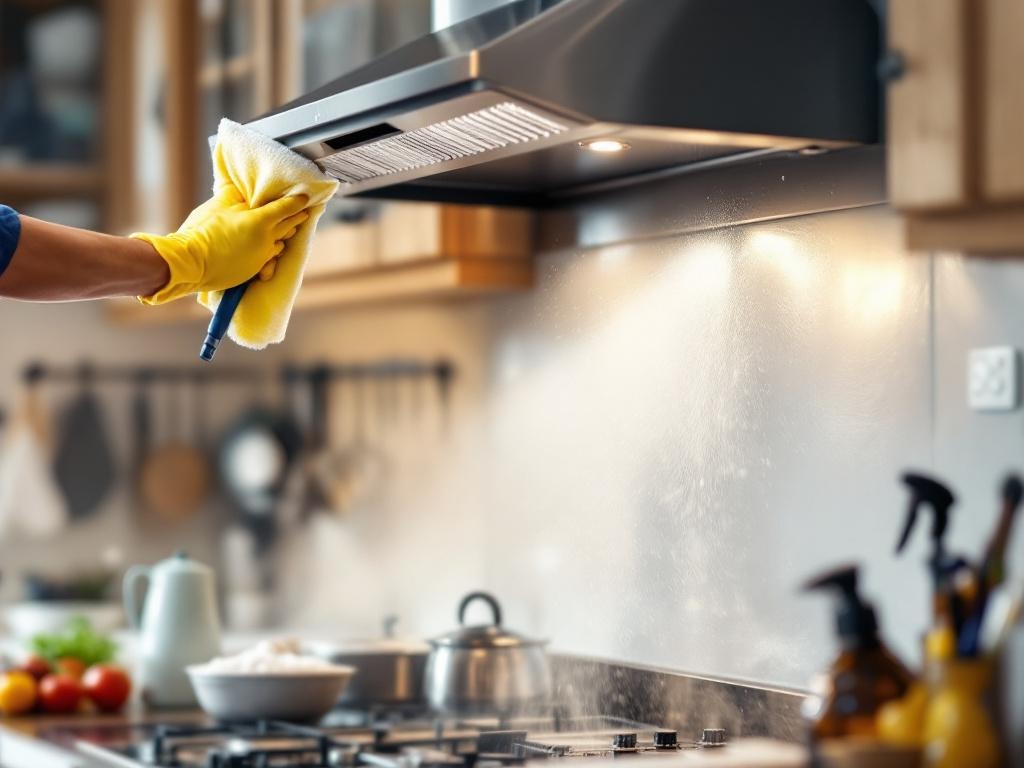
Cleaning your hood and ventilation system is an essential aspect of maintaining a healthy and safe kitchen environment. In this comprehensive, practical guide, you'll learn how to clean your kitchen hood effectively on your own.
Why is Hood Cleaning Important?
Hood cleaning is crucial for several reasons. A clean hood and ventilation system can help:
- Prevent Fires: Over time, grease and other residues can build up in your hood and ventilation system. These residues are highly flammable and can lead to dangerous kitchen fires.
- Improve Air Quality: A clean hood helps filter smoke, heat, and odors out of your kitchen, improving your home's indoor air quality.
- Comply with Health and Safety Regulations: Regular hood cleaning is necessary to comply with health and safety regulations.
Tools Needed
You'll need the following tools and materials to clean your hood and ventilation system:
- Screwdriver
- Bucket
- Dish soap
- Baking soda
- Vinegar
- Scrub brush
- Sponge
- Gloves
Estimated Time and Costs
Cleaning a hood and ventilation system takes about 2-4 hours, depending on the level of grease and grime accumulated. The cost is relatively low as most of the required items are likely already in your home. If you need to purchase cleaning supplies, expect to spend around $20-$30.
Step by Step Guide to Hood Cleaning
Step 1: Remove the Filters
Use your screwdriver to remove the filters from your hood. Place them in a bucket filled with warm soapy water.
Step 2: Clean the Filters
Scrub the filters with a brush until all the grease and grime are gone. If necessary, use a mixture of baking soda and vinegar for stubborn stains.
Step 3: Clean the Hood
While the filters are soaking, clean the hood. Use a sponge soaked in your soapy water to wipe down the interior and exterior of the hood. For stubborn stains, use the baking soda and vinegar mixture.
Step 4: Rinse and Dry
Rinse the filters and the hood with clean water. Allow them to dry thoroughly before reassembling.
Safety Tips
When cleaning your hood and ventilation system, keep the following safety tips in mind:
- Always wear gloves to protect your hands from grease and cleaning chemicals.
- Ensure the hood and ventilation system are turned off before starting the cleaning process.
- Never use flammable or toxic cleaning agents.
Conclusion
Cleaning your hood and ventilation system is a straightforward process that you can do yourself. Regular cleaning not only ensures a healthier kitchen environment, but it also helps prevent potential fire hazards. Happy cleaning!
For more information about hood cleaning, visit the National Fire Protection Association website.