
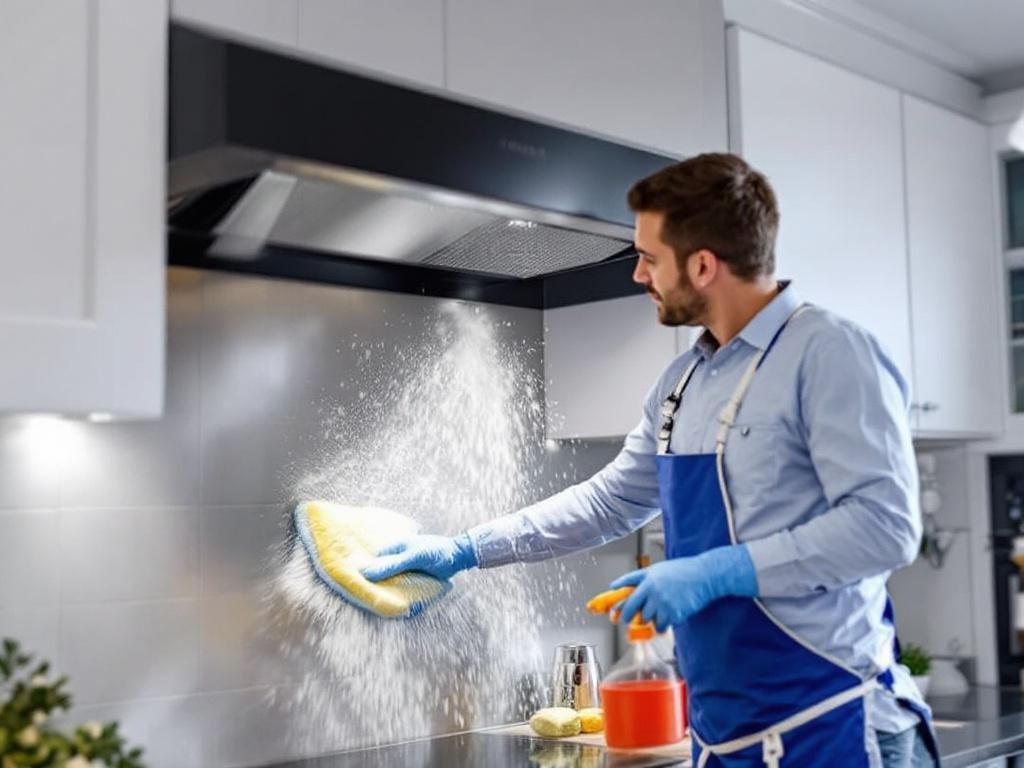
Keeping your kitchen clean is an ongoing task, but there are some areas that may get overlooked. One of these is the hood over your stove, which can become a greasy mess over time. In this comprehensive DIY guide, we will walk you through the process of cleaning your kitchen hood, improving the cleanliness and efficiency of your kitchen.
Why Clean Your Kitchen Hood?
Kitchen hoods, also known as exhaust hoods or range hoods, are designed to capture and filter out smoke, steam, grease, and other airborne particles that are produced while cooking. Over time, these particles can build up, reducing the hoods efficiency and creating a potential fire hazard. Regular cleaning not only extends the life of your device but also ensures that your kitchen remains a safe and healthy place to cook.
What You Will Need
- Soapy Water: A mixture of dish soap and warm water is a gentle yet effective solution for cutting through grease and grime.
- Baking Soda: This common household item is an excellent natural abrasive that can help remove stubborn stains.
- Vinegar: Vinegar is a natural disinfectant and deodorizer that can help to remove lingering odors from your kitchen hood.
- Microfiber Cloth: A soft, non-abrasive cloth is ideal for cleaning without scratching the surface of your kitchen hood.
- Soft Brush: A soft-bristled brush can be used to dislodge built-up grease and grime from hard-to-reach spots.
- Screwdriver: This may be needed to remove the hoods filter and fan for a thorough cleaning.
Estimated Cost and Time
The cost of cleaning your kitchen hood is minimal, as you likely already have most of the necessary supplies on hand. If you need to purchase any items, the total cost should be less than $10. The entire cleaning process should take no more than an hour to complete.
Step-By-Step Guide to Cleaning Your Kitchen Hood
Step 1: Preparation
Start by turning off the kitchen hood and unplugging it from the power source. This is a crucial safety measure to prevent any accidental shocks. Next, remove the hood filter. This is typically located underneath the hood and can be easily removed by loosening a few screws. Set the filter aside to be cleaned separately.
Step 2: Cleaning the Hood
With the filter removed, its time to clean the hood itself. Start by wiping down the exterior with a microfiber cloth dipped in soapy water. Work from top to bottom to avoid dripping dirty water onto clean areas. For stubborn spots of grease or grime, make a paste of baking soda and water and apply it with a soft brush. Let the paste sit for a few minutes before wiping it away with a clean, damp cloth.
Step 3: Cleaning the Filter
The hood filter is where most of the grease and grime builds up. To clean it, soak it in a mixture of warm water, dish soap, and baking soda. Let it soak for at least 20 minutes, then scrub it clean with a soft brush. Rinse it thoroughly and let it air dry before reinstalling it.
Step 4: Cleaning the Fan
If your kitchen hood has a fan, this will also need to be cleaned. Use a cloth and soapy water to gently wipe down the fan blades, being careful not to bend them. For stubborn grime, use the baking soda paste as described above.
Step 5: Reassembly and Testing
Once everything is clean and dry, reassemble the hood and plug it back in. Turn it on to check that the fan and light are working correctly. With everything in order, your kitchen hood is now clean and ready for use!
Safety Tips
- Always unplug the hood before starting the cleaning process.
- Use gloves to protect your hands when handling the dirty hood filter and when using cleaning solutions.
- Be careful not to bend or damage the fan blades when cleaning them.
- Never use abrasive cleaners or tools that could scratch the surface of your kitchen hood.
Conclusion
Cleaning your kitchen hood is an important task that can greatly improve the efficiency and safety of your kitchen. With this comprehensive guide, you have all the information you need to tackle this job yourself. Happy cleaning!
Note: For more detailed information about hood cleaning, visit the Environmental Protection Agencys guide on range hoods.