
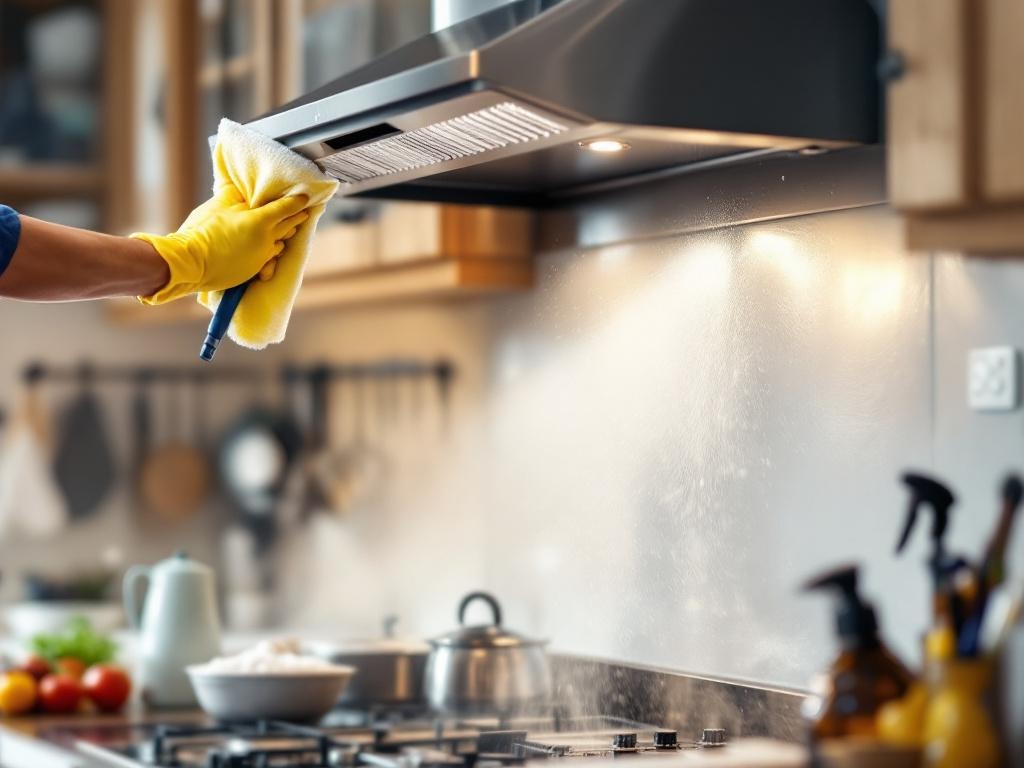
Cleaning your kitchen's hood and ventilation system is a crucial task that most homeowners often overlook. Regular hood cleaning can significantly improve your indoor air quality, reduce fire risks, and prolong the lifespan of your kitchen appliances. In this detailed guide, we will walk you through the process of hood cleaning, providing practical steps and tips along the way.
What You Will Need
Before you start, make sure you have the following tools and materials:
- Degreaser: A commercial-grade degreaser for effective cleaning.
- Scrubbing Brush: A long-handled brush for scrubbing hard-to-reach areas.
- Microfiber Cloth: Use this for wiping down surfaces after cleaning.
- Paper Towels: These are essential for drying and cleaning spills.
- Protective Gear: Including gloves and safety goggles.
- Bucket: For mixing the cleaning solution.
Step-by-Step Hood Cleaning Guide
Now that you have all the necessary tools and materials, let's dive into the step-by-step process of hood cleaning.
Step 1: Preparation
Start by turning off the power to your hood and removing the filters. Place a layer of paper towels or newspapers underneath the hood to catch any dirt or grease that may fall during the cleaning process.
Step 2: Cleaning the Filters
Soak the filters in a bucket filled with a mixture of hot water and degreaser. Leave them to soak for about 10-15 minutes, then scrub them using your brush. Once clean, rinse them with warm water and leave them to dry.
Step 3: Cleaning the Hood
Apply the degreaser to the interior of the hood and let it sit for a few minutes. Then scrub the hood using your brush, making sure to reach all corners and crevices. Wipe the hood clean using a microfiber cloth, then dry it with paper towels.
Step 4: Reassembling the Hood
Once everything is clean and dry, reattach the filters and restore the power. Your hood should now be clean and ready for use.
Safety Tips
While cleaning your kitchen hood, keep the following safety tips in mind:
- Wear Protective Gear: Always wear gloves and safety goggles to protect your skin and eyes from the degreaser.
- Ensure Good Ventilation: Open windows or doors to ensure good ventilation during the cleaning process.
- Switch Off Power: Always turn off the power to your hood before you start cleaning to avoid the risk of electric shock.
Final Thoughts
Cleaning your kitchen hood may seem like a daunting task, but with the right tools and approach, it can be done effectively and safely. Regular hood cleaning not only ensures a healthy cooking environment but also helps to extend the lifespan of your kitchen appliances.
For more detailed information on hood cleaning, check out this article from the USDA.