
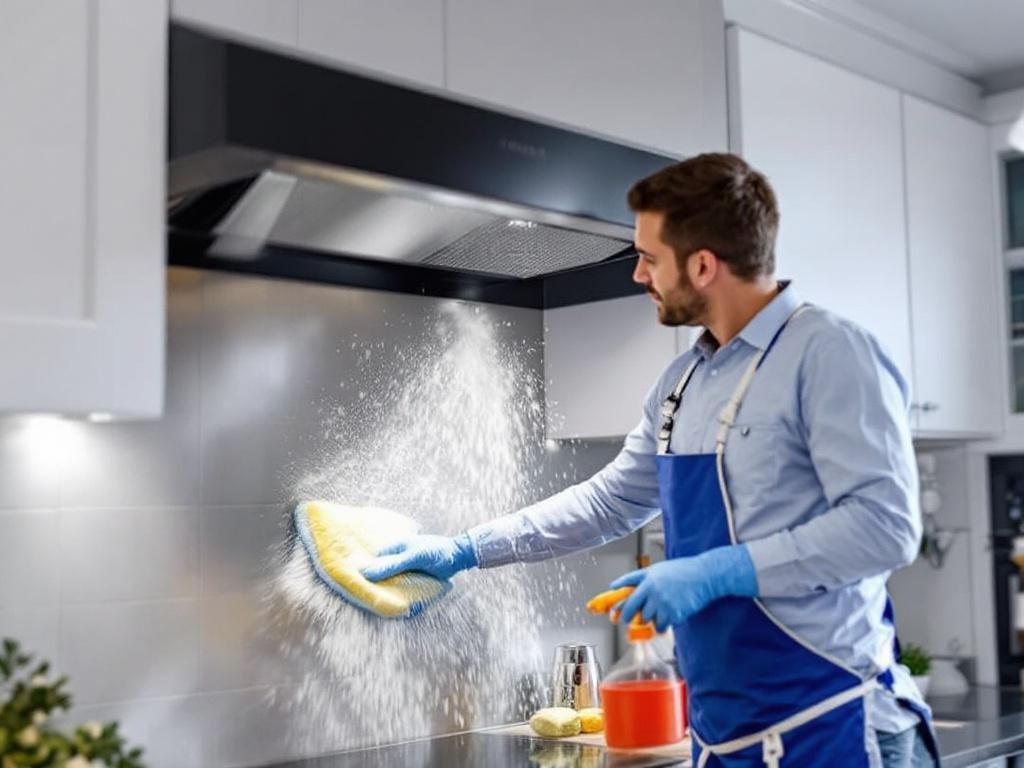
Cleaning your kitchen hood is an essential task to maintain a clean and healthy kitchen. However, many people don't know how to do it properly. In this guide, we will walk you through the process of cleaning your kitchen hood. We will also provide safety tips and a checklist to ensure you don't miss any step.
Why is Hood Cleaning Important?
Cleaning your kitchen hood removes grease and other debris that can accumulate over time. This not only improves the efficiency of your hood but also reduces the risk of fire. According to the National Fire Protection Association, failure to clean the kitchen hood is one of the leading causes of home cooking fires.
Tools Needed for Hood Cleaning
- Microfiber cloths: These are great for wiping down surfaces without leaving streaks or scratches.
- Dish soap: Any dish soap will do, but a degreasing dish soap is especially effective.
- Baking soda: This is a natural cleaner that's great for breaking down grease.
- White vinegar: Vinegar is another natural cleaner that can cut through grease and sanitize surfaces.
- Soft brush: This is useful for scrubbing away stubborn grease and grime.
- Bucket: You will need this to mix your cleaning solution.
Estimated Time and Costs
Cleaning your kitchen hood should take about one to two hours, depending on the amount of build-up. The cost of the cleaning materials should be less than $20.
Steps to Clean Your Kitchen Hood
Step 1: Preparation
First, turn off the kitchen hood and unplug it from the power source. Then, remove the filters. If your hood has metal filters, you can usually just slide them out. If they're stuck, check the manual for instructions.
Step 2: Clean the Filters
Soak the filters in a solution of warm water and dish soap for about 15 minutes. Then, scrub them using a soft brush. Rinse the filters and let them dry completely before reinserting them.
Step 3: Clean the Hood
Create a paste by mixing equal parts of baking soda and water. Apply this paste to the interior of the hood and let it sit for 10 minutes. Then, scrub the hood using a soft brush. Wipe away the paste with a damp microfiber cloth.
Step 4: Rinse and Dry
Rinse the hood with a cloth dampened with vinegar. This will remove any residue and sanitize the surface. Finally, dry the hood with a clean, dry microfiber cloth.
Safety Tips
- Wear gloves: Cleaning products can be harsh on the skin, so it's a good idea to wear gloves.
- Ensure good ventilation: Open windows and doors to ensure good ventilation while cleaning.
- Don't rush: Take your time to avoid accidents.
Conclusion
Cleaning your kitchen hood may seem like a daunting task, but with the right tools and steps, it can be done easily and effectively. By doing so, you can ensure a cleaner, safer kitchen environment.