
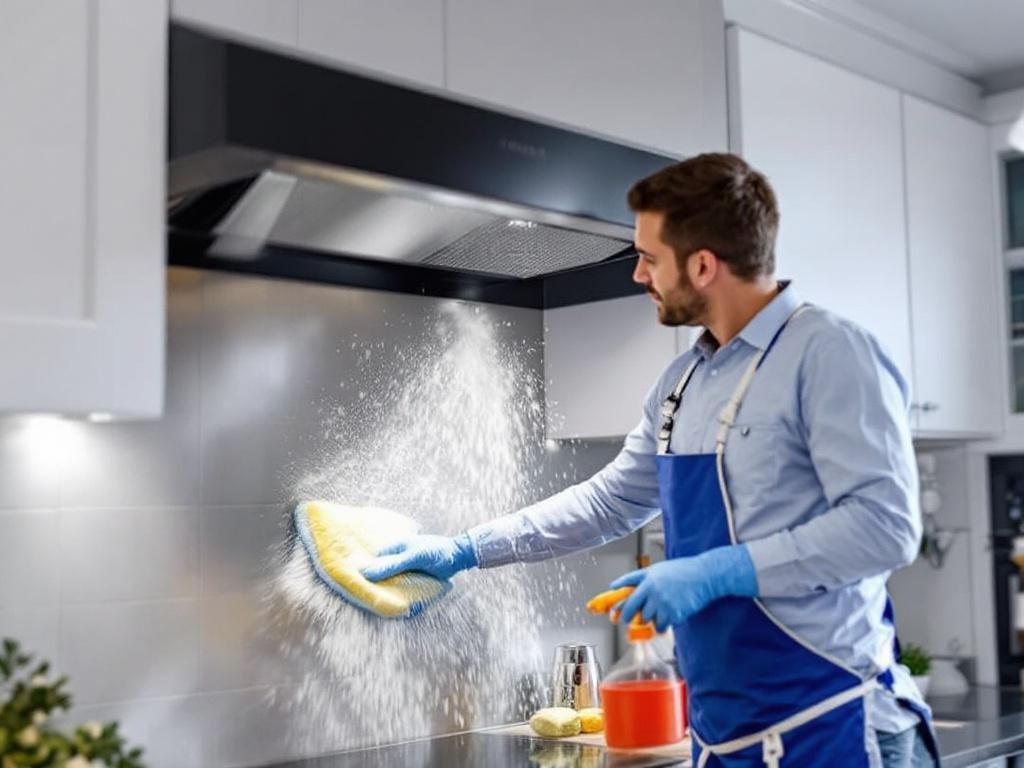
Keeping your kitchen exhaust hood clean is not only necessary for hygiene, but it's also a safety issue. Grease buildup can lead to unpleasant odors and even dangerous fire hazards. This DIY Guide to Hood Cleaning will provide you with detailed instructions on how to clean your hood efficiently and safely at home.
Why Clean Your Hood Regularly?
Regular hood cleaning is crucial for several reasons:
- To keep your kitchen smelling fresh
- To reduce the risk of a grease fire
- To increase the lifespan of your hood
- To ensure your kitchen meets health and safety standards
What You'll Need for Hood Cleaning
Before you begin, gather all the necessary tools and cleaning supplies. Here's what you'll need:
- Dish soap or a degreaser
- A non-abrasive scrub brush
- A spray bottle
- Microfiber cloths or paper towels
- Hot water
- A screwdriver (if your hood has removable filters)
Estimated Time and Cost
Cleaning your hood can take anywhere from 30 minutes to 2 hours, depending on the level of grease and grime. The cost is minimal, as you likely already have these cleaning supplies at home. If not, investing in a high-quality degreaser and scrub brush will cost around $20.
Steps to Clean Your Hood
1. Remove and Soak the Filters
Begin by unplugging your hood, then use your screwdriver to remove the filters. Soak them in a basin of hot water with a few drops of dish soap or degreaser.
2. Clean the Exterior of the Hood
While the filters are soaking, turn your attention to the exterior of the hood. Spray it with your cleaner of choice, then wipe it down with your microfiber cloth or paper towel.
3. Clean the Interior of the Hood
Next, clean the interior of the hood. This may require a bit more elbow grease, as this area tends to accumulate more grime. Don't forget to clean the fan blades as well!
4. Scrub and Rinse the Filters
Once the filters have soaked for a while, scrub them thoroughly with your brush, then rinse them with hot water. Make sure all the soap or degreaser is completely rinsed off.
5. Dry and Replace the Filters
Dry the filters thoroughly before replacing them to prevent moisture from causing damage. Once they're dry, reattach them to the hood.
Additional Tips for Hood Cleaning
Use a Degreaser for Heavy Grease Buildup
If your hood has heavy grease buildup, a degreaser may be more effective than dish soap. It's designed to break down grease, making it easier to remove.
Consider Using a Steam Cleaner
A steam cleaner can be an effective tool for cleaning your hood, especially if it has a lot of hard-to-reach areas.
Regular Maintenance is Key
Cleaning your hood regularly can prevent heavy buildup, making the cleaning process easier and quicker. Aim to clean your hood every 2-3 months, or more frequently if you cook a lot.
Safety Tips for Hood Cleaning
- Always unplug your hood before cleaning to prevent electrical shock
- Be careful not to scratch or damage the hood when removing and replacing the filters
- Don't use flammable cleaners, as they can pose a fire risk
- Never use a metal scrub brush on your hood, as this can scratch and damage the surface
For more detailed information on hood cleaning, check out this article from Consumer Reports.