All about Hood Cleaning
Regular maintenance and cleaning of your cooking hood system is not only essential for a clean and efficient kitchen, but it also plays a crucial role in fire prevention. The National Fire Protection Association (NFPA) (source) states that the majority of restaurant fires originate on the kitchen cooking appliances and flare into the kitchen exhaust system. If the exhaust system is full of grease-laden vapors, a minor fire can quickly turn into a damaging blaze. This article will cover everything you need to know about hood cleaning.
What is Hood Cleaning?
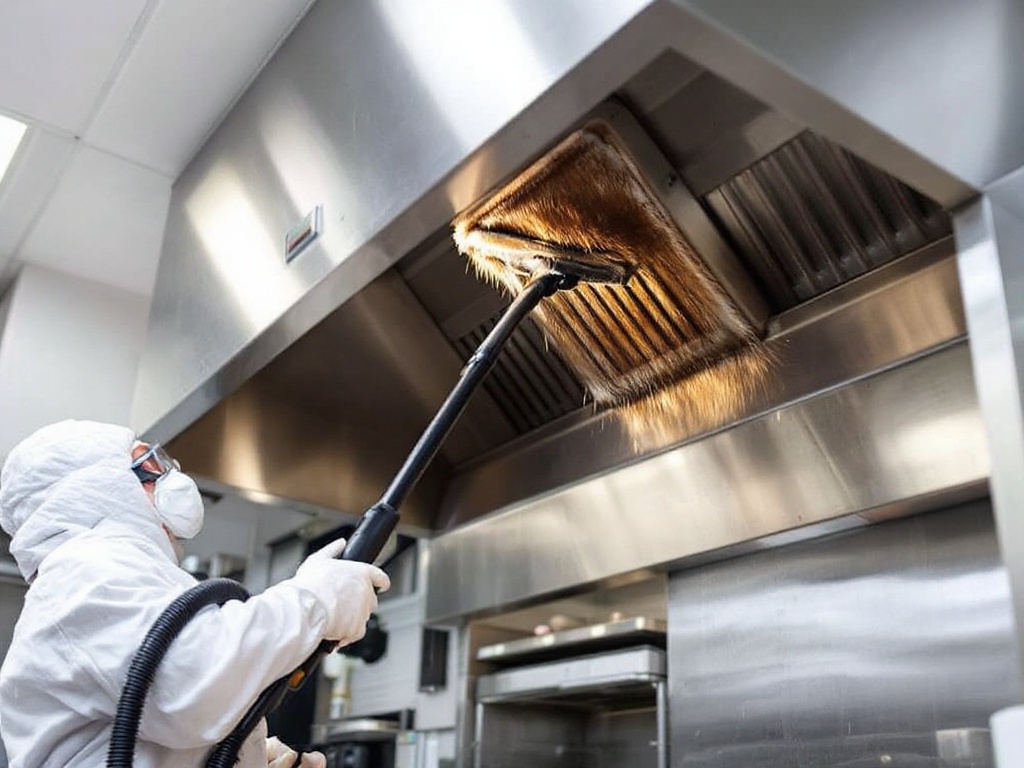
Hood cleaning, also known as exhaust cleaning, is the process of removing grease that has accumulated inside the ducts, hoods, fans and vents of exhaust systems of commercial kitchens. Leaving this task undone can result in a severe fire hazard.
Benefits of Regular Hood Cleaning
- Safety: Regular hood cleaning significantly reduces the risk of kitchen fires, providing a safer working environment for you and your staff.
- Efficiency: A clean hood allows for a better exhaust flow, which can improve the efficiency of your kitchen.
- Health Standards: Regular hood cleaning can help maintain a healthier kitchen environment and keep your establishment in compliance with health department regulations.
- Insurance compliance: Many insurance companies require proof of regular exhaust system cleaning. Keeping your hood clean can help you stay in compliance with your insurance policy.
How Often Should Hoods Be Cleaned?
The frequency of hood cleaning depends on the type of cooking equipment used and the volume of cooking. According to the NFPA (source), here are the recommended cleaning frequencies for different types of kitchens:
- High-volume operations such as 24-hour cooking, charbroiling, or wok cooking: monthly
- Moderate-volume cooking operations: quarterly
- Low-volume cooking operations: semi-annually
- Seasonal operations such as camps or churches: annually
DIY vs Professional Hood Cleaning
While it's possible to do basic hood cleaning yourself, a professional service is recommended for a thorough cleaning. Here's why:
- Experience and expertise: Professional hood cleaners have the training and experience to do a thorough job. They know how to reach all the hard-to-reach areas and have the right tools and equipment for the task.
- Time-saving: Cleaning a hood system is a time-consuming task. Hiring professionals can free up your time to focus on other important aspects of your business.
- Compliance: Professionals are familiar with the local fire codes and health regulations. They can ensure your system is in compliance.
- Preventive maintenance: Professional cleaners can spot potential problems during the cleaning process that you might miss, helping prevent costly repairs down the line.
The Hood Cleaning Process
Hood cleaning involves a series of steps designed to ensure a thorough cleaning of the entire system:
- Preparation: The kitchen area is prepped and tarps are placed around the hood to catch falling debris and grease.
- Scraping: The hood and ductwork are scraped to remove the bulk of the grease.
- Chemical application: A chemical solution is applied to break down the remaining grease.
- High-pressure washing: High-pressure hot water is used to rinse away the grease and chemicals.
- Review and polish: The system is reviewed for any missed spots, and the hood is polished for a clean finish.
Post-Cleaning Maintenance Tips
Between professional cleanings, there are several things you can do to maintain your hood system:
- Clean the grease filters: Clean the filters regularly to prevent grease build-up.
- Check for grease build-up: Regularly check the ductwork and exhaust fan for grease build-up.
- Keep the cooking area clean: A clean cooking area can help reduce the amount of grease that gets into the hood system.
Hood / Ventilation Cleaning Services
In the final analysisacninat n rli h ico pn irndui.n nr pe o heeosoeo senowh i 'sdocadouna/d l