
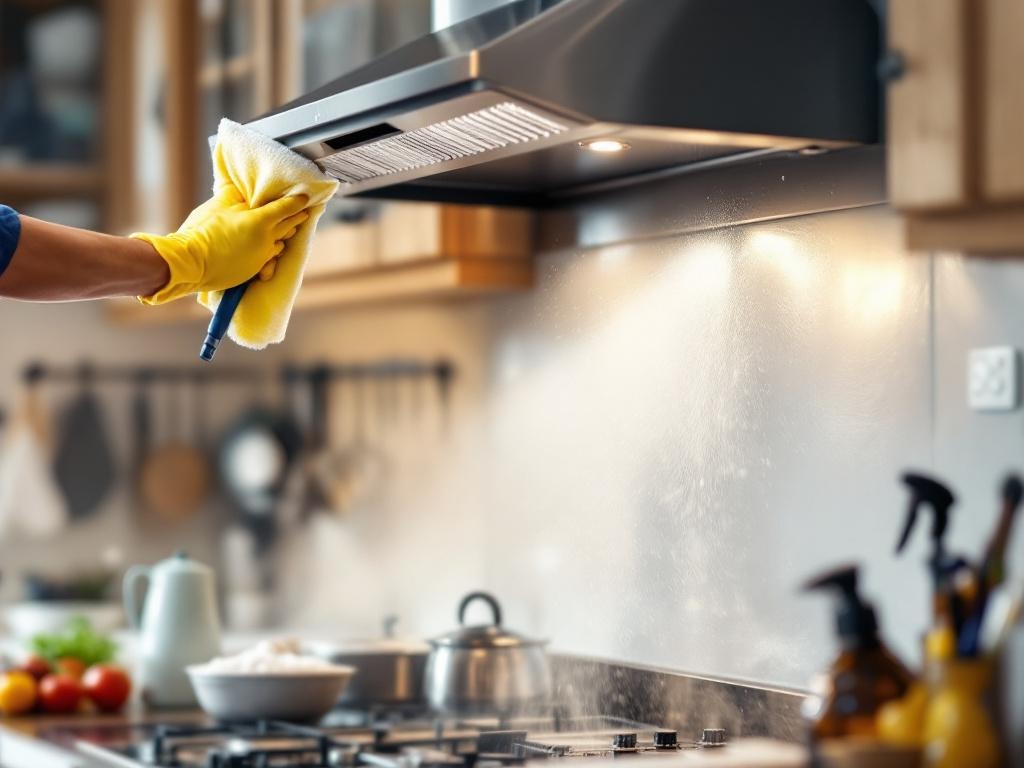
Your kitchen hood plays an invaluable role in keeping your cooking environment clean and safe. However, over time, it can accumulate grease and other unwanted residues. To maintain its efficiency, regular cleaning is a must. This comprehensive DIY guide will walk you through the process of hood cleaning in detail.
Why Hood Cleaning is Essential
Before we delve into the cleaning process, let's first understand why hood cleaning is crucial:
- Fire Safety: Built-up grease can pose a fire hazard.
- Improved Air Quality: A clean hood can efficiently filter out smoke and fumes, contributing to better indoor air quality.
- Enhanced Performance: Regular cleaning can enhance the performance of your hood and increase its lifespan.
Tools Needed for Hood Cleaning
Here are the tools you will need for a thorough hood cleaning:
- Cleaning gloves
- Microfiber cloths
- Dish soap
- Baking soda
- Scrub brush
- Bucket
Estimated Time and Costs
Cleaning a kitchen hood usually takes around 1-2 hours, depending on the amount of grease and dirt. As for the cost, since this is a DIY guide, you won't be incurring any labor costs. The only expense would be for the cleaning supplies, which should not exceed $20.
DIY Hood Cleaning: Step-by-step Guide
Step 1: Preparation
Before starting, ensure your stove is off and cool. Remove any pots or pans from the stove to prevent accidental spills or stains.
Step 2: Remove Filters
Most kitchen hoods come with removable filters. To remove them, simply push the filter in and pull it down.
Step 3: Clean the Filters
Immerse the filters in a mixture of warm water and dish soap. Let them soak for a while and then scrub off the grease using a scrub brush. Rinse thoroughly and let them dry.
Step 4: Clean the Hood
While the filters are drying, clean the hood using a mixture of baking soda and water. Apply this mixture and scrub the hood using a microfiber cloth.
Step 5: Reinstall Filters
Once the filters are dry, reinstall them back into the hood. Make sure they are properly secured.
Note: Always refer to your manufacturer's instructions for specific cleaning and maintenance instructions. Some hoods may require different cleaning methods.
Safety Tips
While cleaning your hood, keep these safety tips in mind:
- Always wear gloves to protect your hands from the harsh cleaning chemicals.
- Ensure your kitchen is well-ventilated to prevent inhaling fumes from the cleaning products.
- Never mix cleaning products as this can produce toxic gases.
Conclusion
Hood cleaning may seem like a daunting task, but with the right tools and techniques, it can be quite straightforward. Regular cleaning not only enhances the performance of your hood but also contributes to a safer and healthier kitchen environment.
For more information on hood cleaning, visit EPA's Guide on Indoor Air Quality.