
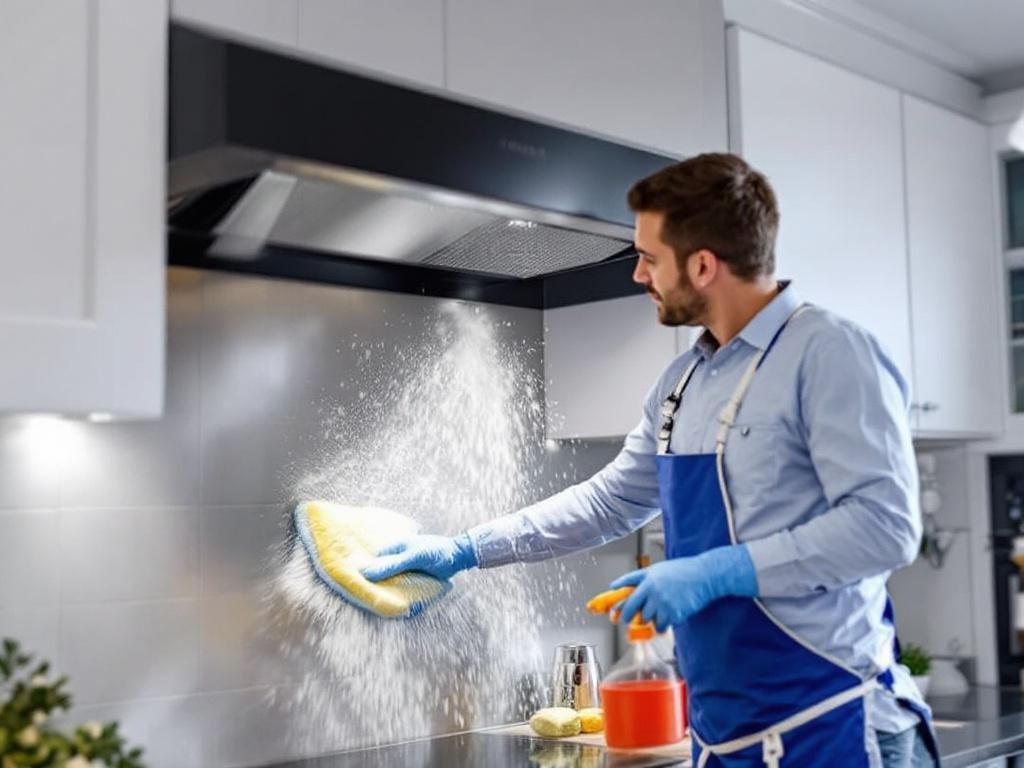
Your kitchen hood does a lot of heavy lifting, removing smoke, steam, and odors from your kitchen. Over time, grease and other debris can build up in your hood, affecting its performance and potentially creating a fire hazard. Fortunately, with the right tools and a bit of elbow grease, you can clean your hood yourself. This comprehensive DIY guide will walk you through the process.
Tools and Materials Needed
- Grease-cutting dish soap or commercial degreaser
- Hot water
- Sponge or non-abrasive scrub brush
- Microfiber cloth
- Screwdriver
- Bucket
- Plastic bag
- Rubber gloves
Estimated Time and Costs
Depending on the size and condition of your hood, cleaning it should take about one to two hours. The only costs involved are the cleaning products, which you may already have at home. If you need to purchase a commercial degreaser, prices range from $5 to $20.
Steps to Clean Your Hood
1. Remove the Filters
Start by removing the metal filters from the underside of the hood. Most filters can be easily removed by sliding them out or unscrewing them. Place the filters in a sink or large bucket filled with hot water and a generous squirt of dish soap or a few sprays of degreaser.
2. Clean the Exterior of the Hood
While the filters are soaking, turn your attention to the exterior of the hood. Wipe it down with a sponge or cloth soaked in warm soapy water. For stubborn grease spots, use a non-abrasive scrub brush.
3. Clean the Interior of the Hood
Next, clean the interior of the hood. This area is likely to be greasier than the exterior, so you may need to use a bit more elbow grease. Don't forget to clean the fan blades if your hood has them.
4. Scrub the Filters
After the filters have soaked for about 10 minutes, scrub them with a non-abrasive brush until all the grease and grime is gone. Rinse them thoroughly with hot water and then leave them to dry.
5. Reassemble the Hood
Once everything is clean and dry, reassemble the hood. Replace the filters and make sure they are securely in place.
Safety Tips
- Wear rubber gloves to protect your skin from the degreaser and hot water.
- Never use abrasive cleaners or scrub brushes on the hood surface as they can scratch the finish.
- Make sure the hood is switched off and unplugged before you start cleaning.
Conclusion
Cleaning your kitchen hood is a simple and cost-effective way to improve its performance and extend its lifespan. By following the steps in this guide, you should be able to get your hood looking and working like new in no time.